
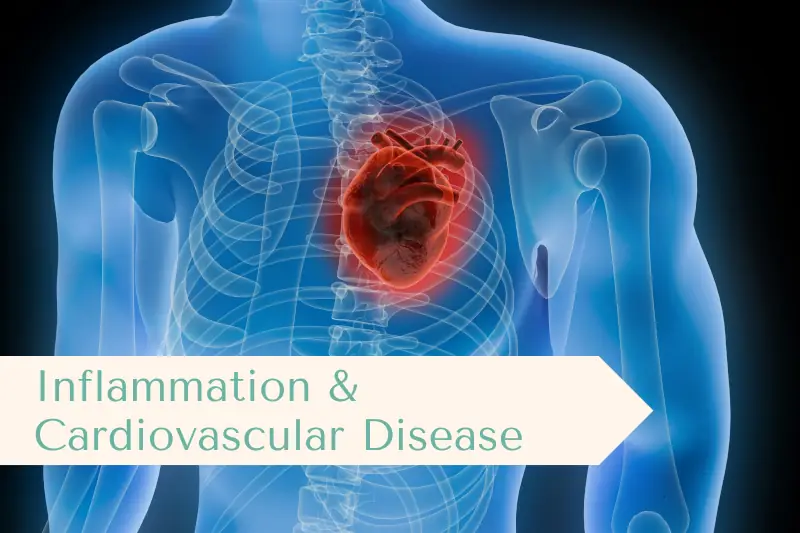
What is Cardiovascular Disease (CVD)?
Cardiovascular disease (CVD) is the leading cause of death in the U.S., accounting for 1 in every 5 deaths. According to the World Health Organization (WHO), more than 17 million people die from CVD each year. In the U.S. alone, one person dies every 34 seconds from heart-related conditions.
CVD refers to conditions affecting the heart and blood vessels, including:
- Coronary artery disease
- Stroke
- Heart failure
- Arrhythmias
Common risk factors for CVD include:
- High blood pressure (hypertension)
- High cholesterol
- Diabetes
- Smoking
- Obesity
- Physical inactivity
- Chronic inflammation
While some risk factors, like age and genetics, cannot be changed, lifestyle choices, supplements, and medical treatments can help manage and reduce the risk of CVD.
Causes and Risk Factors of Heart Disease
Cardiovascular disease is a complex condition with different causes depending on the specific type.
Atherosclerosis: A Common Cause of CVD
Atherosclerosis occurs when plaque builds up in the arteries, narrowing blood flow and increasing the risk of heart attack and stroke. It can be triggered by:
- High blood pressure
- High cholesterol
- Smoking
- Family history of heart disease
Genetics and Medications
Some cases of heart disease are caused by genetic problems or the side effects of certain medications. These can lead to arrhythmias, conditions where the heart beats too fast, too slow, or irregularly.
Other Contributing Risk Factors
- Diabetes: Damages blood vessels and increases the risk of atherosclerosis
- Obesity: Increases blood pressure and cholesterol levels
- Sedentary lifestyle: Leads to poor circulation and inflammation
- Stress: Raises high blood pressure and promotes heart strain
How Inflammation Causes Heart Disease
Recent clinical trials show that inflammation is not only a risk factor for CVD but also a treatable outcome of the disease.
It’s important to know what inflammation is and what it can do to your heart.
Inflammation is part of the body’s natural defense against injury and infection, and, in this way, it is beneficial. But when inflammation becomes chronic, lasting months or even years, it can damage healthy tissues and blood vessels.
"Sustained low levels of inflammation irritate your blood vessels, promote plaque buildup, and can trigger blood clots — the primary cause of heart attacks and strokes."
Chronic inflammation:
- Promotes plaque growth in arteries
- Can loosen existing plaque, increasing risk
- Triggers blood clots, which can cause:
- Heart attacks (blocked artery to the heart)
- Strokes (blocked artery to the brain)
How to Lower Inflammation Naturally
The good news: you can control inflammation through simple lifestyle adjustments. These same lifestyle choices also decrease bad cholesterol, lower blood pressure, and reduce high blood sugar, too.
Here’s what you can do to reduce inflammation:
1. Quit smoking
Smoking damages your blood vessels and promotes atherosclerosis. Quitting can cut your heart disease risk in half.
2. Maintain a Healthy Weight
Being overweight increases your risk for multiple diseases. But carrying excess fat around your belly is a red flag for heart disease. A type of fat that builds up in the belly (called visceral fat) secretes molecules that cause inflammation, raising your cardiovascular risk.
3. Exercise Regularly
Just 20 minutes a day of moderate activity, such as brisk walking, can reduce inflammation.
4. Eat an Anti-Inflammatory, Heart-Healthy Diet
Processed and fast foods produce inflammation. Whole foods, on the other hand, are anti-inflammatory.
- Avoid: Processed and fast foods
- Choose: Whole foods, fruits, vegetables, beans, whole grains, nuts, and fatty fish
- Incorporate: Anti-inflammatory spices like turmeric, ginger, and garlic
5. Get Quality Sleep
Aim for 7-9 hours of sleep per night to reduce inflammation.
6. Maintain Healthy Vitamin D Levels
Low vitamin D levels are linked to higher inflammation and CVD risk.
Omega-3s: Benefits for Heart Health and Inflammation
Omega-3 fatty acids — including EPA, DHA (found in fish oil and seafood), and ALA (found in plants) — are clinically proven to:
- Reduce inflammation
- Lower triglycerides
- Improve heart health
Top sources of omega-3s include:
- Oily fish: salmon, mackerel, sardines, tuna, herring
- Plant oils: flaxseed, canola, soybean
- Nuts & seeds: walnuts, chia, flax
"We think that omega-3s have coronary or heart benefits and some people seem to benefit more than others."
Chief of the division of Preventive Medicine at Brigham and Women's Hospital and Harvard Medical School
VITAL Trial Principal Investigator
Key Findings from the VITAL Trial
- 44% reduction in heart attacks among high-risk participants (two or more heart disease risk factors, such as smoking or high blood pressure)
- 77% reduction in African American participants
The American Heart Association recommends eating 2 servings of fatty fish per week. A serving is 3 ounces cooked, or about ¾ cup, of flaked fish. If you don't consume enough, supplementation is recommended.
Metagenics Omega-3 Supplements
Want to lower inflammation naturally? Metagenics OmegaGenics® supplements provide clinically tested, high-purity omega-3s to support heart, brain, and immune health — available in both fish and vegetarian formulas.

OmegaGenics® Fish Oil Mega 10
A high-quality fish oil that supports heart health and immune function, featuring a combination of omega-3 and omega-7 fatty acids. Rigorously tested for 200 contaminants, including heavy metals, environmental toxins, & plasticizers from microplastics.
- A unique ratio of omega-3 and omega-7 fatty acids
- Guaranteed purity
- Clinically tested ingredients

OmegaGenics® Algae Omega-3s 300 mg
A purified vegetarian source of concentrated omega-3 fatty acids.
- 300 mg EPA + DHA per softgel
- Supports heart and brain health
- Guaranteed purity
- Clinically tested ingredients
Key Takeaways
- Cardiovascular disease is the #1 cause of death globally and in the U.S.
- Inflammation plays a major role in heart disease development.
- Genetics, lifestyle, and certain medications also influence CVD risk.
- Lifestyle changes and omega-3 supplementation can significantly reduce risk.
- Talk to your healthcare provider about personalized prevention strategies.
FAQ
Q1: How does inflammation increase heart disease risk?
Chronic inflammation damages blood vessels and promotes plaque buildup, raising heart attack and stroke risk.
Q2: What are the best sources of omega-3s?
Fatty fish, flaxseeds, chia seeds, walnuts, and Metagenics OmegaGenics supplements.
Q3: How can I naturally lower cardiovascular inflammation?
Quit smoking, eat an anti-inflammatory diet, exercise, get quality sleep, and consider omega-3 supplements.
Summary
Inflammation plays a crucial role in the development and progression of cardiovascular diseases. Understanding this link is vital for developing effective strategies to prevent and treat CVD, including managing inflammation through lifestyle changes, supplements, and targeted therapies.
Chronic inflammation doesn’t always produce symptoms — the only way to measure it is with a blood test, and most people aren’t regularly screened for inflammation. Making healthy lifestyle choices is the best way to lower risk factors. Your doctor can determine your personal risk level, explore preventive options, and take proactive steps to protect your heart health.
 Metagenics is the #1 doctor-recommended professional supplement brand. Metagenics is known for their science-backed, precision-crafted formulas and dedication to quality and efficacy. Metagenics sources only premium raw materials that undergo rigorous testing to meet pharmaceutical-grade standards. Metagenics crafts formulas based on the latest scientific research, ensuring every product is safe and effective.
REMINDER
You receive 20% discount on ALL Metagenics products when you use Professional ID DRSREG0900 on the Metagenics website.

Dr. Sylvia H. Regalla
Dr Sylvia H. Regalla is a recognized expert in the areas of functional medicine, the science of nutrition and lifestyle changes for optimal health, and managed care, as well as professional functions consistent with Internal Medicine (Adult Medicine).
Over the last two decades, she has helped guide the ongoing development of the educational and clinical applications of functional medicine and nutrition at University at Buffalo School of Medicine and Biomedical Sciences, Notre Dame of Maryland, Maryland University of Integrative Health, and Northeast College of Health Sciences.
Dr Regalla is retired from private practice and continues to bring expanded understanding of common, chronic disease states in her monthly functional medicine insights.
