

Boost Your Immune Health and "Gut-Proof" the Holidays
As cooler weather rolls in, so do busy schedules, gatherings, and holiday stress. Give your immune system a head start this season with simple lifestyle habits and science-backed supplements that help keep you healthy and energized through the festivities.
Think of your immune system like a security system—it quietly protects you every day, but it’s easy to take for granted until you get sick. The good news? You can naturally strengthen your defenses with the right nutrition, gut health, and daily choices.
What Is the Immune System?
Your immune system is your body’s built-in defense network—a complex system of cells, tissues, and organs that protect you from bacteria, viruses, and other harmful invaders.
Think of your immune system as a fortress with several layers of defense.
Layers of Immune Defense
- Outer barriers: Your skin and mucous membranes act as the first line of defense, keeping germs out. The skin secretes oils and immune cells to fight off invaders, while the mucous membranes trap and remove them.
- The inner guards: If germs get past the first line, your body sends in specialized defenders:
- Tonsils and adenoids: These are located in your throat and nose to stop germs from entering deeper into your body.
- Lymph nodes: Found throughout your body, these act as filters to prevent germs from spreading.
- Spleen: In your abdomen, the spleen filters blood and produces and stores white blood cells that recognize and attack germs entering the body.
- Thymus gland: This organ in your chest trains white blood cells to become T cells to identify and destroy harmful invaders.
- The soldiers: White blood cells are the immune system's attack force:
- They patrol your body, seeking out and destroying harmful pathogens.
- They produce antibodies that bind to specific germs, signaling other immune cells to eliminate them.
- The gut squad: Around 60-80% of your immune system resides in your gut:
- Stomach acid acts as a chemical barrier, destroying many of the germs you swallow.
- Intestinal immune cells and the gut microbiome—trillions of beneficial microbes—help block and eliminate harmful invaders.
- The interaction between the gut microbiome and immune system is vital, shaping your body's overall immune response and long-term health.
How the Immune System Works
The immune system has two main branches:
- Innate (Non-Specific) Immunity: Your first line of defense, responding immediately and rapidly to a wide range of general threats.
- Adaptive (Specific) Immunity: Responds more slowly but targets specific pathogens and creates antibodies and memory cells, enabling faster, stronger responses to future infections.
Problems that suppress the immune system can weaken its function, increasing susceptibility to illness. Understanding the two main branches—innate and adaptive—helps us see why maintaining a healthy immune system is so important.
Innate Immune System
Function
Provides a rapid, non-specific defense against a broad range of pathogens.
Mechanism
Relies on physical barriers like skin and mucous membranes, as well as cells such as phagocytes (e.g., neutrophils) that engulf and destroy invaders.
Key characteristics
Acts as the first line of defense and is essential for controlling infections while the adaptive system ramps up.
Adaptive Immune System
Function
Provides a targeted, pathogen-specific defense.
Mechanism
Uses specialized cells like B cells to produce antibodies that target specific germs, and T cells to coordinate the response or directly destroy infected cells.
Key characteristics
Creates memory cells, so once the body has encountered a germ, it can respond faster and more efficiently upon future exposures.
What Weakens Your Immune System?
When the immune system is weakened, you may have more difficulty fighting off pathogens and become more susceptible to infections.
Several factors can make you more vulnerable to illness:
- Aging: Immune response naturally weakens with age.
- Chronic illnesses: Conditions such as diabetes, autoimmune disorders, and certain infections (like influenza) can weaken the immune system.
- Nutritional deficiencies: A lack of essential vitamins and minerals, including vitamins A, C, D, E, B6, B12, folate, copper, magnesium, selenium, and zinc, can impair immune function.
- Poor gut health: A healthy gut is essential for a strong immune system. An imbalance in the gut microbiome, known as dysbiosis, can disrupt immune function and increase susceptibility to infections. Since about 70% of immune cells reside in the gastrointestinal tract, the gut plays a central role in immunity. These immune cells are constantly interacting with our food, microbiome, and gut environment. Emerging research shows that maintaining gut health is closely linked to overall well-being.
Lifestyle Habits That Weaken Immunity
Alcohol Consumption
Excessive alcohol use can impair immune function in several ways. It disrupts the activity of white blood cells, which are essential for fighting infections. It reduces antibody production and slows the immune response. Alcohol also disrupts the healthy balance of bacteria in the gut. This imbalance can allow harmful bacteria to trigger inflammation and weaken immunity.
Stress
Chronic stress can suppress the immune system over time. Constant release of stress hormones interferes with the normal function of immune cells, making them less effective at fighting infections. Activities like exercise, yoga, meditation, and spending time in nature can help lower stress levels and improve your immune response.
Poor Sleep
Sleep deprivation reduces the production and activity of key immune cells, including white blood cells (lymphocytes), which are essential for fighting infections. Without adequate rest, the immune system responds more slowly and less effectively to pathogens.
Exercise
Regular physical activity boosts immunity by increasing the circulation of white blood cells and natural killer (NK) cells, helping them detect and neutralize pathogens more efficiently. Inactivity slows this process, reduces immune surveillance, and is associated with a less healthy, inflammatory gut microbiome. Exercise also promotes a diverse and beneficial gut microbiota, supporting a stronger overall immune response.
How to Strengthen Your Immune System Naturally
Eat a Mediterranean-Inspired Diet
This diet is a powerful way to support immune health. Rich in nutrients, fiber, anti-inflammatory compounds, and healthy fats, this diet strengthens the immune system, promotes a healthy gut microbiome, and reduces chronic inflammation. It can also help prevent conditions like type 2 diabetes and cardiovascular disease, which can weaken immunity.
The Mediterranean diet emphasizes a wide variety of plant-based foods, including:
- Fruits, vegetables, legumes, and whole grains as primary components.
- Healthy fats, with extra virgin olive oil being the main source.
- Seafood, poultry, eggs, and dairy in moderation.
- Limited processed foods and red meat.
This dietary approach, focused on whole, unprocessed foods, can reduce inflammation and support overall wellness.
Prioritize Key Vitamins and Minerals
- Vitamin C: A powerful antioxidant that supports immune health by maintaining barrier integrity and enhancing white blood cell function.
- Vitamin D: Helps regulate both innate and adaptive immunity, reduces inflammation, and may support the body's defenses against infections.
- Zinc: Essential for the development and function of immune cells, including neutrophils, natural killer cells, T cells, and B cells. Zinc also regulates inflammation and may shorten the duration of illnesses like the common cold.
- Selenium: Supports immune health by acting as a powerful antioxidant, which is essential for both innate and adaptive immune responses. It helps regulate inflammation, supports the function of immune cells such as macrophages and natural killer cells, aids in T cell activation and antibody production, and contributes to maintaining a healthy gut microbiome.
Include Immune-Supportive Plant Compounds
- Quercetin: A powerful antioxidant and anti-inflammatory compound that protects cells, reduces inflammation, and may act as an antiviral agent. Research suggests it can boost immune responses, especially in older adults.
- Decaffeinated Green Tea (EGCG): This polyphenol helps regulate T cells, reducing inflammation and supporting a balanced immune response. It influences T cell activation, proliferation, and differentiation, which are key for immunity.
- Citrus Bioflavonoids: These antioxidants enhance vitamin C absorption, protect cells from damage, reduce inflammation, and strengthen the body's ability to fight off pathogens.
- Mushrooms: Rich in nutrients like selenium, riboflavin, niacin, and B vitamins, mushrooms activate immune cells and enhance their function. Compounds in varieties like shiitake and reishi can either stimulate or suppress immune responses as needed, helping reduce inflammation and improve overall defense against infections.
- Chinese Herbs: Research shows that certain Chinese herbs can stimulate and regulate key immune cells. They can increase the number and activity of white blood cells, including lymphocytes, macrophages, and natural killer (NK) cells, which are responsible for detecting and fighting infection. Many herbs are also potent anti-inflammatory agents. Some act as adaptogens, supporting the body in managing stress—important because chronic stress raises cortisol and can suppress immunity. Additionally, many herbs contain compounds with direct antimicrobial effects, helping the body combat viruses and bacteria, especially in the early stages of a cold or flu.
Boost Immunity with Essential Amino Acids
- L-Lysine: Supports the immune system by stimulating antibody production, increasing the number of immune cells like lymphocytes, and speeding up the response of immune cells like neutrophils to fight pathogens.
- L-Glutathione: A powerful antioxidant produced from amino acids, it helps neutralize harmful free radicals, supports T cell function, and regulates inflammation—crucial for an effective immune response.
Support Gut Health with Probiotics
Probiotics strengthen the gut barrier, balance healthy bacteria, and support immune cell activity. By maintaining a diverse gut microbiome, they help defend against harmful bacteria and viruses. Since 60-80% of your immune system resides in your gut, a healthy gut is key to a strong immune defense.
Supplement Spotlight: Support Your Immune System
You can support your immune system with targeted supplements—and don't forget, you receive 20% off all Metagenics products!
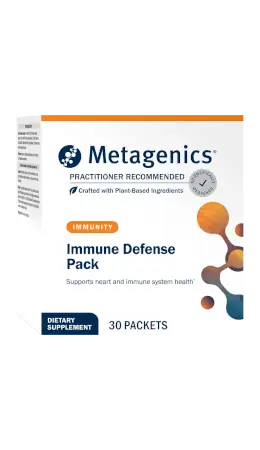
Megagenics Immune Defense Pack
Gear up with Immune Defense Pack. With ingredients like antioxidants, polyphenols, and high-potency vitamins C, D, and zinc, this arsenal of products is primed to support a healthy immune response.
View Metagenics Immune Defense Pack

Metagenics ImmuCore
Designed to provide a multiple mechanistic approach to support immune system health. This formula features Ultra Potent-C®—developed for enhanced cellular uptake of vitamin C—combined with zinc, vitamin D, and a concentrated blend of mushroom extracts.
View Metagenics ImmuCore

Metagenics Immune Active
Immune Active™ provides five active ingredients formulated to keep your immune system healthy. Crafted with key nutrients shown to promote healthy immune responses.
- High-potency vitamin C and zinc
- Quercetin helps protect your cells from harmful free radicals
- N-acetylcysteine (NAC) stimulates a key antioxidant in your body
- EGCG, from green tea leaf extract, promotes healthy antioxidant processes
View Metagenics Immune Active
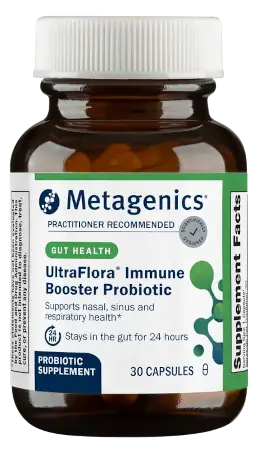
Metagenics UltraFlora Immune Booster Probiotic
UltraFlora® Immune Booster Probiotic provides a blend of highly viable, pure strains of “friendly” bacteria, Lpa 8700:2 and Lp Heal9, which support healthy nasal, sinus, and respiratory function. No refrigeration required.
View Metagenics UltraFlora Immune Booster Probiotic
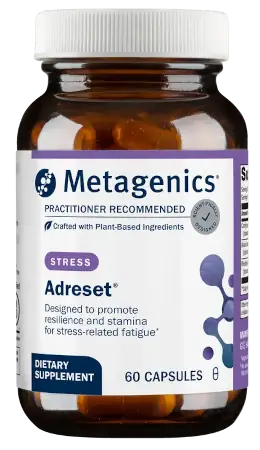
Metagenics Adreset
Supports those feeling "stressed and tired" with a blend of adaptogenic herbs to promote a healthy and balanced response to stress. Adaptogens have a long history in herbal medicine.
- Relieves stress-related fatigue
- Promotes resilience and stamina
- Offers herbal strategies for managing stress
View Metagenics Adreset
Key Takeaways: Strengthen Your Immune System Naturally
Your immune system is your body’s built-in defense network—a powerful system that protects you from illness every day. By taking small, intentional steps, you can help it function at its best:
- Prioritize gut health: A balanced microbiome supports up to 80% of your immune defenses.
- Eat whole, colorful foods: A Mediterranean-style diet rich in plants, healthy fats, and lean proteins keeps inflammation in check.
- Get restorative sleep and manage stress: Both are essential for immune balance and resilience.
- Stay active: Regular movement enhances circulation and strengthens your immune response.
- Supplement smartly: Support your body with immune-friendly nutrients like vitamins C and D, zinc, and probiotics.
As fall and the holidays approach, give your immune system the attention it deserves — so you can stay strong, energized, and ready to enjoy the season to its fullest.
Yours in vibrant health and well-being,
Sylvia H Regalla MD
 Metagenics is the #1 doctor-recommended professional supplement brand. Metagenics is known for their science-backed, precision-crafted formulas and dedication to quality and efficacy. Metagenics sources only premium raw materials that undergo rigorous testing to meet pharmaceutical-grade standards. Metagenics crafts formulas based on the latest scientific research, ensuring every product is safe and effective.
REMINDER
You receive 20% discount on ALL Metagenics products when you use Professional ID DRSREG0900 on the Metagenics website.

Dr. Sylvia H. Regalla
Dr Sylvia H. Regalla is a recognized expert in the areas of functional medicine, the science of nutrition and lifestyle changes for optimal health, and managed care, as well as professional functions consistent with Internal Medicine (Adult Medicine).
Over the last two decades, she has helped guide the ongoing development of the educational and clinical applications of functional medicine and nutrition at University at Buffalo School of Medicine and Biomedical Sciences, Notre Dame of Maryland, Maryland University of Integrative Health, and Northeast College of Health Sciences.
Dr Regalla is retired from private practice and continues to bring expanded understanding of common, chronic disease states in her monthly functional medicine insights.
