What is your Healthspan vs. Lifespan?
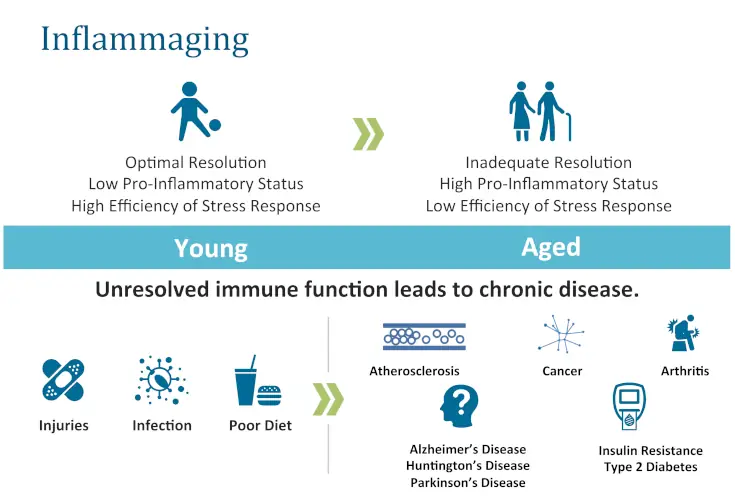
With lifespan, people are trying to add years to life. With healthspan, we are trying to add life to your years — to optimize the number of active, healthy, and productive years that you enjoy. Lifespan refers to the total number of years a person lives, from birth to death. Healthspan focuses on the number of those years that a person remains free of significant illness or disease.
We all want to live longer. But would you still want to live longer if it just meant more years coping with chronic — maybe even debilitating — illnesses? Given the current statistics on average lifespans versus healthspans, Americans can expect to live about 15 years in poor health.
That is potentially a lot of years living with increased health care and caregiving expenses and decreased quality of life.
Ways to Increase Your Healthspan
In an ideal world, your lifespan and your healthspan would be as close as possible to the same number of years. Living a long and healthy life is the goal. To live healthier for longer, it's important to maintain healthy habits. These include:
- Eating for longevity: Aim for a healthy diet that includes lots of fruits, vegetables, legumes, whole grains and lean protein — and limits high-fat, high-sugar processed foods.
- Exercising regularly: Get at least the recommended 150 minutes per week of aerobic exercise, plus two days of strength training.
- Keeping an eye on key health numbers: Managing your cholesterol, blood pressure, and blood sugar is important for avoiding chronic disease.
- Kicking bad habits: Don't smoke or use recreational drugs, and avoid or limit alcohol intake.
- Managing stress: Find ways to help you reduce the stress in your life as well as ways to cope with it better.
- Sleeping well: Getting 7 to 9 hours of quality sleep each night has big health benefits.
- Staying socially connected: Loneliness is a risk factor for dementia. Staying connected to friends, family, and your community also improves your overall quality and enjoyment of life.
What Are Mitochondria?
You've probably heard mitochondria called the "powerhouses of the cell." That's accurate — but it barely scratches the surface of what these tiny structures do for you every single day.
Mitochondria are found in nearly every cell in your body. Here's what makes them so remarkable:
- They are your body's energy factories. Their main job is to convert the nutrients you eat into ATP — the fuel your cells actually run on. High-energy organs like your heart, liver, and brain depend on them most.
- They exist in enormous numbers. A single cell can contain hundreds or even thousands of mitochondria, depending on how much energy that cell needs.
- They have their own genetic blueprint. Unlike other parts of your cells, mitochondria carry their own separate DNA — a unique characteristic that sets them apart from every other structure in the body.
- They know when to clear out damaged cells. Mitochondria help trigger a natural housekeeping process — releasing specific enzymes that signal old or damaged cells to shut down, making room for healthy ones to take their place.
- They do far more than make energy. They are also involved in cell communication, how cells grow and change, and regulating the cell cycle.
Different organs rely on mitochondria in different ways:
- Heart and muscles have an especially high density of mitochondria to keep up with the constant demands of pumping and movement.
- The brain depends on high mitochondrial activity to support nerve function and manage neurotransmitters — the chemical messengers that affect mood, memory, and cognition.
- The liver uses mitochondria for metabolic regulation and detoxification — filtering what the body doesn't need.
When mitochondria aren't functioning well, the effects reach far beyond feeling tired. Mitochondrial dysfunction has been linked to serious conditions, including diabetes, neurodegenerative diseases, and cancer. Supporting your mitochondrial health is one of the most meaningful things you can do for healthy aging.
That's where CoQ10 comes in.
What Is Coenzyme Q10 (CoQ10)?
CoQ10 is a natural, vitamin-like compound produced by the body and found in every cell. It is essential for mitochondrial energy production and acts as a potent antioxidant. It helps manage heart function, high blood pressure, and migraines. Levels decline with age, often requiring supplementation — especially for those on statins.
One of CoQ10's most important jobs is protecting your mitochondria from damage. During the energy production process, mitochondria generate unstable molecules called free radicals (also known as reactive oxygen species, or ROS). Left unchecked, these free radicals can damage DNA, cell membranes, and the mitochondria themselves — a process known as oxidative stress — cumulative cellular damage that accelerates aging. CoQ10 works as a powerful antioxidant right inside the mitochondria, neutralizing free radicals before they can cause that harm. When CoQ10 levels are low, this protection weakens — and supplementation has been shown to help restore it.
How It Works
- Energy Production: CoQ10 helps convert food into the energy your cells need to grow and stay healthy.
- Antioxidant Protection: It protects cells from free radicals — unstable molecules that can damage DNA and cell membranes.
Impact of CoQ10 Deficiency and Supplementation
- Deficiency Effects: Reduced levels can lead to impaired energy supply, causing metabolic dysfunction and neurological problems.
- Supplementation Benefits: Studies suggest CoQ10 can help mitochondria work more efficiently and protect cells from damage — particularly in people managing conditions like Parkinson's disease, heart disease, and certain muscle disorders.
- Common Applications: It is often used to support energy levels in people with fibromyalgia and chronic fatigue syndrome (ME/CFS), and to ease the muscle pain and weakness that some people experience while taking statin medications.
Common Uses and Benefits of CoQ10
While the body produces CoQ10 naturally, levels decline with age or certain health conditions. There is evidence that supplementation positively affects the symptoms of aging, based mainly on improvements in bioenergetics— the way your body produces and uses energy at the cellular level. Cardiovascular disease and inflammation are alleviated by the antioxidant effect of CoQ10.
Key Health Benefits of CoQ10
- Essential for cellular energy production
- An antioxidant made by your own body
- Helps fight the effects of general fatigue
- Supports liver health and function
- Inhibits inflammatory factors to support whole-body health
- Supports healthy aging
Where CoQ10 May Help
- Cardiovascular Health: CoQ10 may improve symptoms of congestive heart failure, reduce vascular mortality, and help lower blood pressure. It is often used to manage cardiovascular issues in older adults.
- Statin-Induced Muscle Pain: Research suggests CoQ10 might help ease muscle weakness and pain associated with taking statin medications.
- Migraine Prevention: Supplementation may decrease the frequency and duration of migraines, with some studies suggesting it is highly effective.
- Energy and Physical Performance: Because it aids in mitochondrial energy production, it is believed to improve exercise performance and reduce fatigue.
- Metabolic Support: CoQ10 may help manage diabetes by improving insulin sensitivity and controlling blood sugar levels.
- Neuroprotective Effects: There is evidence that CoQ10 may help protect the brain, potentially slowing the progression of neurodegenerative diseases like Parkinson's.
Natural Food Sources
You can boost your levels of CoQ10 through diet, primarily from:
| Category | Food Sources |
|---|---|
| Organ Meats | Heart, liver, and kidney |
| Fatty Fish | Sardines, mackerel, trout, and herring |
| Plant-Based | Soybean oil, canola oil, peanuts, pistachios, broccoli, and cauliflower |
CoQ10 Supplementation - Metagenics CoQ10 ST-100 mg
Metagenics CoQ10® ST-100 mg is a high-quality formula designed to support your energy and heart health. It features a stable form of CoQ10, a powerful antioxidant that helps keep your cells healthy and supports healthy blood pressure within the normal range. Plus, it includes vitamin E for extra antioxidant protection.
- 100 mg of ubiquinone coenzyme Q10 (CoQ10)
- Supports energy production and heart health
CoQ10 supplements are generally recommended to be taken with a meal containing fat (such as avocado, nuts, or olive oil) to maximize absorption. To prevent potential insomnia, take it in the morning or early afternoon rather than at night. CoQ10 should be used cautiously or avoided with certain medications. Consult your practitioner before combining with any of your prescription medications.
Frequently Asked Questions
Q: What is the difference between Healthspan and Lifespan?
Lifespan is the total number of years a person lives, while healthspan is the period spent in good health, free from chronic disease or severe disability. Essentially, lifespan is the quantity of life, and healthspan is the quality.
Q: Can you personally change your healthspan?
Absolutely. Following a healthy Mediterranean-style diet, staying physically active, reducing stress, getting a good night's sleep, and stopping smoking are among the most impactful steps you can take. Small, consistent changes over time make a meaningful difference.
Q: How does CoQ10 increase our healthspan?
CoQ10 increases healthspan by enhancing mitochondrial ATP (energy) production, acting as a potent antioxidant to reduce cellular oxidative stress, and protecting cardiovascular function.
Q: Why do CoQ10 levels decline with age?
The body's ability to synthesize CoQ10 decreases naturally starting in your 30s and continues to decline over time. Certain medications — particularly statins — can further reduce CoQ10 levels, which is why supplementation becomes increasingly relevant for adults over 40 or those on cholesterol-lowering medications.
Q: Is CoQ10 safe to take long-term?
CoQ10 is generally well tolerated and has a strong safety record in research studies. However, as with any supplement, it is always wise to consult with your physician — particularly if you are taking other medications. Some interactions have been noted with anticoagulant medications.
Healthspan and lifespan don't have to be two different numbers. With the right habits, the right nutrition, and attention to what's happening at the cellular level, you can work toward a life that is not just longer — but fuller, more active, and more your own.
Supporting your mitochondria with CoQ10, alongside a healthy diet, regular movement, good sleep, and strong social connections, gives your body the tools it needs to keep up with the life you want to live. CoQ10 won't do it alone — but it supports the foundation everything else is built on.
Yours in Health,
Sylvia H. Regalla, MD
 Metagenics is the #1 doctor-recommended professional supplement brand. Metagenics is known for their science-backed, precision-crafted formulas and dedication to quality and efficacy. Metagenics sources only premium raw materials that undergo rigorous testing to meet pharmaceutical-grade standards. Metagenics crafts formulas based on the latest scientific research, ensuring every product is safe and effective.
REMINDER
You receive 20% discount on ALL Metagenics products when you use Professional ID DRSREG0900 on the Metagenics website.

Dr. Sylvia H. Regalla
Dr Sylvia H. Regalla is a recognized expert in the areas of functional medicine, the science of nutrition and lifestyle changes for optimal health, and managed care, as well as professional functions consistent with Internal Medicine (Adult Medicine).
Over the last two decades, she has helped guide the ongoing development of the educational and clinical applications of functional medicine and nutrition at University at Buffalo School of Medicine and Biomedical Sciences, Notre Dame of Maryland, Maryland University of Integrative Health, and Northeast College of Health Sciences.
Dr Regalla is retired from private practice and continues to bring expanded understanding of common, chronic disease states in her monthly functional medicine insights.
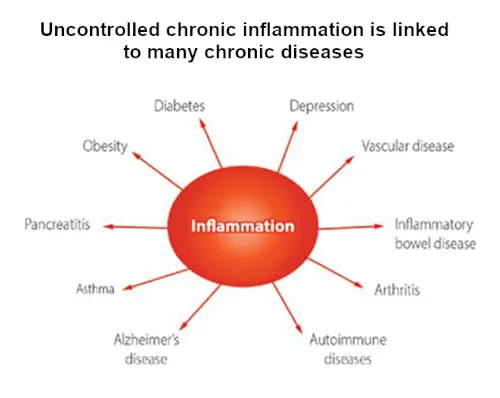
 Is your body stuck in a state of constant low-grade inflammation?