
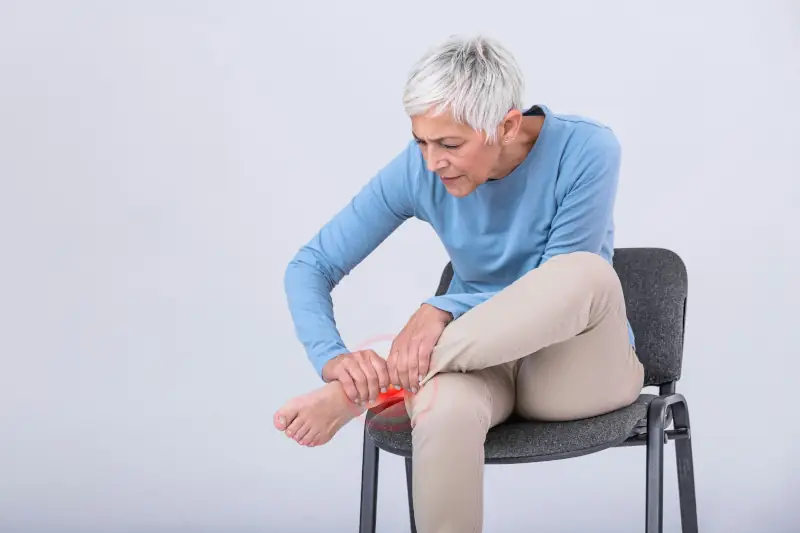
Osteoarthritis is the most common joint condition in the body and one of the top causes of disability in the US. It affects approximately 242 million people worldwide, with 30% of individuals aged 45 to 64 and 68% of those over 65.
Osteoarthritis (OA) isn’t just a wear-and-tear joint issue—it’s a systemic inflammatory condition often rooted in gut dysfunction. Chronic low-grade inflammation, also known as inflammaging, accelerates joint degeneration.
Risk Factors for Osteoarthritis
- Advancing age
- Women are more likely to develop osteoarthritis, though it isn't clear why
- Obesity or extra body weight
- Repetitive stress on a joint from occupational overuse or sports
- Genetics
- Gut dysbiosis, an imbalance in the gut's microbial composition, can trigger inflammation and potentially contribute to the development and progression of OA.
5 Things That May Help with Osteoarthritis Pain
- Lifestyle Modification
Balanced exercise and maintaining a proper weight can help manage osteoarthritis. Regular enjoyable physical activity is also one way to maintain a balanced weight. Being overweight may increase the risk of developing osteoarthritis, discomfort, and joint changes. For example, for every pound gained, you add three pounds of pressure on your knees and six pounds of pressure on your hips which can worsen the risk of osteoarthritis and the resulting discomfort and joint changes.
- Diet and Nutrition
A diet that emphasizes anti-inflammatory foods and minimizes inflammatory processed foods and additives may help balance overall inflammation and maintain a proper weight.
Studies suggest that eating a Mediterranean-style diet may reduce the risk of osteoarthritis and result in a higher quality of life for those living with osteoarthritis. - Mind-Body Approaches
Mind-body movements like tai chi and yoga have also proven valuable. Studies suggest that practicing tai chi may reduce discomfort and increase the ability to use the joints in osteoarthritis patients. Other research suggests that regularly practicing yoga may improve hand discomfort, strength, joint size, and motion.
Research has also looked at acupuncture to reduce discomfort and support joint function in osteoarthritis.
- Manipulative Therapies
Manipulative therapies using touch and movement include chiropractic treatments, massage therapy, and osteopathy.
- Supplements
Glucosamine and chondroitin have been studied as supplements to help manage discomfort and support joint health.
For example, glucosamine may support joint function over time in individuals with osteoarthritis and result in less deterioration and narrowing of joints.
Similarly, chondroitin sulfate is a naturally occurring part of the cartilage of joints and can be taken as a supplement. It seems to help support joint health in osteoarthritis with minimal side effects.
Antioxidants such as curcumin, Boswellia, L-glutathione, and vitamin C have demonstrated some ability to modulate inflammation in joints by helping to balance free radicals and oxidative stress.
Probiotics are increasingly being explored for their potential to alleviate symptoms and potentially slow the progression of osteoarthritis, largely due to their influence on the gut microbiome and its connection to inflammation. Emerging evidence suggests that probiotics, may help modulate gut microbiota composition, reduce systemic inflammation, and improve osteoarthritis-related pain and function.

ChondroCare
ChondroCare is designed to provide broad support for healthy joints by featuring high quality glucosamine sulfate and chondroitin sulfate, nutritional factors known to help support cartilage health and soft tissue formation. This well-rounded formula also features methylsulfonylmethane for joint health as well as zinc, copper, manganese, and selenium for antioxidant support.
View ChondroCare on Metagenics
Inflavonoid Intensive Care®
Inflavonoid Intensive Care is a targeted herbal supplement designed to support the body’s natural response to inflammation, oxidative stress and everyday immune challenges.
This advanced formula features CurQfen® BSW—a highly bioavailable blend of curcuminoids (from turmeric), AKBA (from Boswellia), and fenugreek—to help support a healthy inflammatory response. It also includes XNT ProMatrix®, a specialized xanthohumol extract, along with ginger root extract, which may further support immune health.View Inflavonoid Intensive Care on Metagenics

UltraFlora® Balance Probiotic
UltraFlora® Balance is your starter probiotic—designed to support everyday gut balance and immune health. This simple formula is easy to take and helps maintain a balanced gut flora. Helps reinforce your body’s natural defenses and may reduce inflammation.
View UltraFlora Balance Probiotic on MetagenicsSupporting joint health and reducing systemic inflammation requires a thoughtful, whole-body approach—and gut health is an important part of that picture. These supplements are designed to provide targeted support where it matters most.
Yours in continued health and wellness,
Sylvia H. Regalla MD
 Metagenics is the #1 doctor-recommended professional supplement brand. Metagenics is known for their science-backed, precision-crafted formulas and dedication to quality and efficacy. Metagenics sources only premium raw materials that undergo rigorous testing to meet pharmaceutical-grade standards. Metagenics crafts formulas based on the latest scientific research, ensuring every product is safe and effective.
REMINDER
You receive 20% discount on ALL Metagenics products when you use Professional ID DRSREG0900 on the Metagenics website.

Dr. Sylvia H. Regalla
Dr Sylvia H. Regalla is a recognized expert in the areas of functional medicine, the science of nutrition and lifestyle changes for optimal health, and managed care, as well as professional functions consistent with Internal Medicine (Adult Medicine).
Over the last two decades, she has helped guide the ongoing development of the educational and clinical applications of functional medicine and nutrition at University at Buffalo School of Medicine and Biomedical Sciences, Notre Dame of Maryland, Maryland University of Integrative Health, and Northeast College of Health Sciences.
Dr Regalla is retired from private practice and continues to bring expanded understanding of common, chronic disease states in her monthly functional medicine insights.
